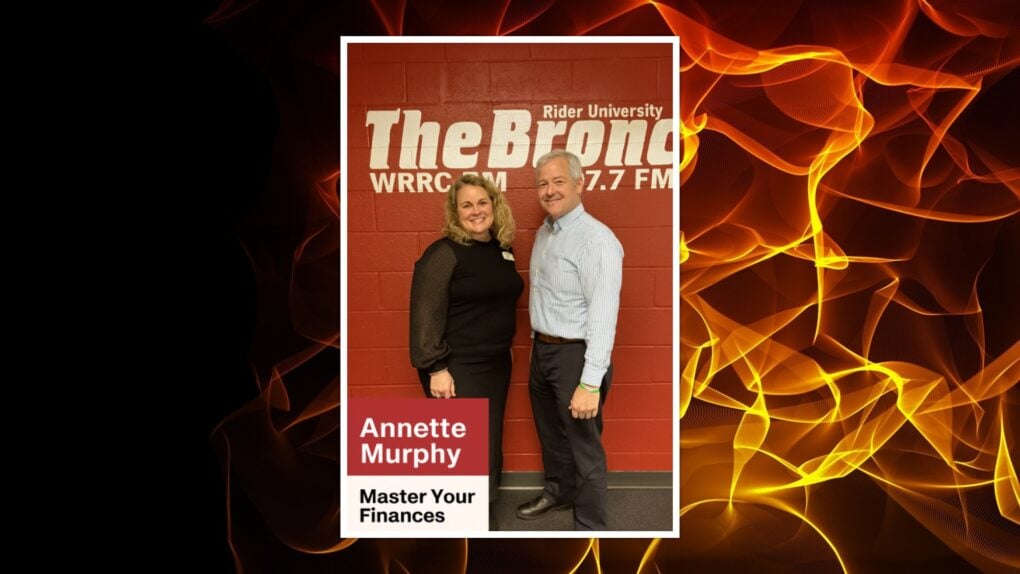
0:00:00.1 Kurt Baker: Annette Murphy is the Director of Home Care and Care Management at Springpoint and a fellow of the Academy of ALCA with over 30 years in health care. She’s a licensed clinical social worker, certified dementia practitioner, and national leader in advancing compassionate ethical care for older adults and their family. So I’m really glad to hear people like this exist because if somebody keeps telling me, I’m getting older. So at some point I might actually need somebody like you. And I like the fact that it’s compassionate and ethical. That’s kind of what I’m looking for. So even though I may not have earned it, I’m still looking for it.
0:00:43.4 Annette Murphy: Good to hear. We all need it. We’re all aging. Yes.
0:00:46.2 Kurt Baker: So welcome to the show, Annette.
0:00:47.5 Annette Murphy: Thank you.
0:00:47.8 Kurt Baker: I know you’re doing a lot of really interesting stuff. So give us a little bit of an idea. Home care is huge. It’s growing, obviously. I’m a baby boomer and you’re the tail end of the whole thing. But we’re a big group of people. And apparently we do get older and we do need services. And this whole industry, I remember 20, 30 years ago, it was a totally different industry, right? Now, every time I turn around, they’re building a new facility, a new this, a new that, a new feature. So tell us a little bit about what’s been happening in the industry and how you guys kind of fit into that, your little niche of what you’re doing. Because I hear there’s a lot of different segments.
0:01:21.3 Annette Murphy: Exactly. That’s a big question to answer in all my years. So I’ve always been in health care, so I’ve seen all those trends. There are a lot of changes. But just to speak to a little bit more in my domain of home care and in Springpoint, Springpoint’s a large nonprofit. Started 100 years ago, Presbyterian homes in Princeton area. But our company has a large portfolio. So that benefits my team, even though I do just the home care and the Aging Life Care advising, because we have life plan communities, which if you’re familiar with those, that is every level of care on one campus.
0:01:55.1 Annette Murphy: So you can move in and live in a cottage, which is about the size of my house, all the way into a secure unit for memory care. So every level of care on one campus. Also freestanding assisted living. The biggest division really for us is our affordable housing, because we’re a nonprofit that also gives back through our foundation. Many of us give money out of our paychecks as well, and our live well, that helps lower income seniors. So it’s not just the one end of the spectrum of the luxury communities. Like you said, you drive around, you see new places popping up. It is also those quiet communities that you don’t see as flashy that are out front that are really serving the seniors at the other end of the financial spectrum as well.
0:02:40.7 Kurt Baker: Okay. So this is a huge issue. I know that… I talk about this all the time with wealth managers. Two things that we as wealth managers talk about, one is long-term care, and the other is like umbrella insurance or like, you know, catastrophic coverage for liability purposes. So at least you have to bring that up to clients. So this is one of those things that people are like, okay, I know I need it, but I don’t really need it now because I feel good, my family is good, everybody is good.
0:03:06.2 Annette Murphy: Yeah.
0:03:06.8 Kurt Baker: And then all of a sudden they’re not good, and they have to do something about it. So I know we struggle this way. We do it during the planning process, obviously. We constantly bring this up during our reviews and things like that. So what would you tell people that maybe are out there, like a lot of us, thinking, oh, yeah, I’ll deal with that someday, some way.
0:03:25.8 Annette Murphy: Right.
0:03:26.5 Kurt Baker: Or my kids will figure it out. That’s the one I’m really… Is not good. But…
0:03:29.9 Annette Murphy: No.
0:03:31.8 Kurt Baker: Let’s start with the general, and that’s what happened to us. So let’s start with just the general, okay, the people that really should be planning and not waiting until they’re ready to literally sign up for Medicare.
0:03:40.9 Annette Murphy: Right.
0:03:41.3 Kurt Baker: Maybe a little sooner at least think about these things. Because there are so many options, and I don’t think people realize…
0:03:47.9 Annette Murphy: They don’t realize.
0:03:48.5 Kurt Baker: You can do this a lot of different ways.
0:03:49.7 Annette Murphy: Yes.
0:03:50.3 Kurt Baker: And you really have to fit whatever the options are with what you prefer, because we all have different preferences. While we’re living, some of us live in apartments, some of us live in big farms, right? We all have different needs and wants. Same thing when we get older.
0:04:03.0 Annette Murphy: Yeah, and it’s not static. It often changes as we revisit it. But…
0:04:06.9 Kurt Baker: Right.
0:04:07.5 Kurt Baker: I think what you do and what we do overlap a lot. We work with a lot of financial advisors, attorneys. We’re more that hub. Some people say we’re that quarterback in care, or as my coffee cup says that I have bought for all my team members, we’re the chaos coordinators. We try to bring calm and prevent other crises, and one of those that you’re speaking of is that financial crises. Because as I often will say to folks, I say I’m not an alarmist, but I’m a social worker, so I see it when it goes wrong, and I’ve learned a lot of life lessons because of seeing what other… Like you said, they come in and say, I’ll let my kids worry about it, or they come in my office and say, well, we’re in this middle of this health crisis. What do we do about long-term care?
0:04:50.7 Annette Murphy: There are things like that that you have to plan early because you can’t get it when you’re already sick or in that crisis. So we talk about long-term care with our clients all the time. Many of our clients use their long-term care, so we review the policies and help them understand, advocate, engage to get it started, understand what their wait periods are, all of that fun stuff. But there are other options. Like you said, there are the annuity packages. That’s not my domain. I just know enough to say, hey, go talk to the financial advisor about it.
0:05:21.6 Kurt Baker: Let’s just say that… Otherwise we’d change the whole gist of the show. But there’s definitely many ways to finance…
0:05:26.5 Annette Murphy: Exactly.
0:05:26.9 Kurt Baker: Or to pay for long-term care. We’re from self-pay to multiple different kinds of insurance, annuity.
0:05:32.0 Annette Murphy: Right. Right. Mm-hmm.
0:05:33.3 Kurt Baker: You’re in like reverse mortgages. This is all kinds of ways that you can potentially pay for this stuff. So that’s why I’m a big advocate for… Of course, I’m a little partial because I am one of these advisors. You need to find a team, not just one, a team of people who have different areas of expertise in these areas so they can present you with these different potential ways of doing it. And then you as the individual consuming this…
0:05:57.4 Annette Murphy: Exactly.
0:05:58.2 Kurt Baker: Can make a decision like what do you want to do? I know a very common scenario that I see is they want to age in place as long as possible and then have an option after that. And that’s the conversation. One, is if you’re a single person living alone, that’s one scenario, of course. Then if you have a couple where one may need services but the other may want to stay home, things like that. So there’s a lot of different scenarios that are out there. So what are you kind of seeing with some of these scenarios? How do you typically address those?
0:06:28.7 Annette Murphy: Address that. Yeah. We often talk with the family and really hear what are their values. Are they someone who really wants to stay at home? Are they someone who wants to stay at home but perhaps there are questions about the safety of the home, the safety of that individual medically? And we get called in as those consultants to really assess the situation in the home. So we do a home safety evaluation coordinating with other aging in place specialists after we see and do the initial safety assessment to say, you know what, we might need to get some other estimates so you really know what you’re facing with your goal of wanting to stay at home.
0:07:05.3 Annette Murphy: Doing a medical assessment and getting opinions. Some clients we go to see they haven’t seen a doctor in years or they haven’t had a thorough workup to understand kind of what the picture looks like for them or what are some of the struggles they’re facing. And then having family meetings because like you spoke about with the couples, there’s a different dynamic than the solo elders we deal with. And oftentimes they’re not on the same page. And maybe the one caregiver is… We can physically see that they’re declining in front of us from the stress that they’re holding in at home and trying to manage at home because the other spouse wants to stay there.
0:07:40.6 Annette Murphy: So it’s conflict resolution and having family meetings over these expectations and trying to come up with a workable plan. And it is not fast work. We do high touch slow work because these are things that someone has their world view and lived with their whole life of how do the puzzle pieces fit together between what they can afford, what is realistic based on their own health conditions and what they or their partner or their family wants.
0:08:11.1 Kurt Baker: I think the big thing I hear now that more and more people I think are starting to do and need to do is having a family coordinated meeting about this.
0:08:20.7 Annette Murphy: Yes.
0:08:20.8 Kurt Baker: ‘Cause we start talking about your generational just wealth transfer caring for your aging parents or whatever. Or it could be somebody who’s disabled, younger. It could be almost any scenario. But having the conversation with multiple people in the family so they really understand…
0:08:36.2 Annette Murphy: Yes.
0:08:37.0 Kurt Baker: One, the wishes of those who typically… You know, the parents or whatever the case may be. Like what do you really want to have happen because not everything fits into a box. So you need to… I mean you can do all the state planning and all the management and all the planning possible but there’s always nuances in there. So understanding where that person is coming from, makes it a lot easier to make those decisions if you… Either with them or in some cases you need to make it on their behalf if they’re unable to make those decisions.
0:09:07.1 Kurt Baker: And I think you get a better result… I mean one of the things I’ve noticed is many people are very hesitant. So what we try to do is kind of step into this a little bit at a time. Let’s talk about this aspect. Let’s talk about this aspect. I think sometimes it’s like okay what if you can’t stay. Oh I can stay in the house. Right?
0:09:22.8 Annette Murphy: Right.
0:09:23.4 Kurt Baker: Okay let’s just imagine for a moment, scenario.
0:09:27.0 Annette Murphy: Yes.
0:09:28.0 Kurt Baker: You know, even if you had… All of us have been disabled for a period of time, we just got the flu. So you’re out… You’re down and out.
0:09:34.6 Annette Murphy: Yeah.
0:09:35.2 Kurt Baker: Okay. What if this turns into a permanent thing and you could be 45 years old or you could be 85 years old. Right? What would you want to have happen next?
0:09:44.6 Annette Murphy: Mm-hmm. Yes.
0:09:45.0 Kurt Baker: And then just kind of walk through what their preferences are. Okay. I want somebody to come into the house. Great.
0:09:50.2 Annette Murphy: Yeah.
0:09:50.8 Kurt Baker: What if now this becomes like a 24/7 scenario where all of a sudden you’re spending over $100,000 a year just to have people come to the house to kind of help you with these things. Or maybe they’re just coming in once or twice a week cooking some meals relieving another caregiver for you. Significantly cheaper of course.
0:10:09.0 Annette Murphy: Yes.
0:10:09.9 Kurt Baker: You know I think if you if you just have general like questions about how would you want us to deal with this.
0:10:17.0 Annette Murphy: Right.
0:10:17.8 Kurt Baker: Without making them feel threatened. I guess that’s really the key.
0:10:20.6 Annette Murphy: Exactly.
0:10:21.2 Kurt Baker: Is just say you know how would you want to have this happen.
0:10:24.1 Annette Murphy: Right.
0:10:24.5 Kurt Baker: And I think sometimes… And sometimes it takes multiple conversations. Right?
0:10:27.9 Annette Murphy: Yeah. As I said it’s high touch and slow. I call it the drip method where you can’t come in and just expect in one conversation you’re going to impart knowledge and information and also listening and understanding from where someone’s coming from. It takes those small bites of time really hearing where they’re coming from, giving some options and education versus just telling this is what you have to do. And I think that is the big difference for true advising. Just like you’re saying for you do for financial and for us, there’s no cookie-cutter answer and even if you’ve done this forever and you’re only dealing with let’s say just couples or just solo elders, whatever the small slice it’s never the same. And that’s why I love what we do because it’s so dynamic and it’s meaningful to give options to people instead of saying this is what you must do. It’s much more empowering. But yeah there’s no one answer to it is there?
0:11:27.6 Kurt Baker: I agree very much.
0:11:28.4 Annette Murphy: Yeah.
0:11:33.2 Kurt Baker: Okay. Yeah, that’s very interesting because… No, I agree, and I look at it a little bit like, it’s almost like an ed… It is an educational process. And I think if people are alerted to the issues, especially like the younger generation, like what questions to ask, I think you can find appropriate times where things come up. Kind of like when you’re with young ones, and you see something on TV, and you use it as an excuse, oh, that’s very interesting about those characters. What if they did this or this or this or this, right? Oh, this is what I would do.
0:12:05.9 Kurt Baker: I mean, you can almost like translate it by having a scenario appear. And I think a lot of times, you know, even if a person gets ill, okay, you know, you’re down and out, you can’t go to work. Hey, how would you… Hey, that’s really… What would you want us to do if we had to take care of you for a while, right? So you can kind of…
0:12:21.5 Annette Murphy: Yes. Teachable moments.
0:12:22.3 Kurt Baker: You could turn it a little bit into a… Think of it… Exactly. Think of it as an opportunity to find out what their desires are, because we all go through a period where we’re down for a period of time. And if you do that, you can say, oh, hey, if that ever happened, what would you want us to do? Like, oh, I want to stay in the house forever. I mean, that’s me. Like, just bury me in the backyard kind of deal, right? But I understand, and I recognize that that may or may not be possible, but I’m certainly going to stretch it out as long as I can. And I believe a lot of people prefer to stay at home, but the reality is either for financial or just practical reasons, there’s a point at which many of us will need to move to another location. And understanding what is out there and what it means to you, I think is really, really, really important. And that’s the thing I think is kind of a back and forth, especially now, because my generation, a lot of the people that we dealt with, they didn’t necessarily have these options.
0:13:25.2 Annette Murphy: Right.
0:13:25.5 Kurt Baker: Right? When we were helping somebody ourselves, and now it’s us, we have a lot more to think about, which I think is cool. Like, are you even going to stay in the state? Are you going to move across the country? I mean, what are the implications of that? So that’s kind of what I’m seeing as far as for my clientele. And it sounds like it’s very similar to you as well.
0:13:44.0 Annette Murphy: It’s very. It’s very similar. But I like what you’re saying about those teachable moments, as you call them. Because that’s one of the tools that I use for clients that I would say are reluctant. Some people use terms like resistant. I don’t like that. It’s reluctant. And it’s normal for all of us to be reluctant about things we don’t know. So it’s using those teachable moments to really revisit something that perhaps someone was very firm on before.
0:14:10.2 Kurt Baker: Right.
0:14:10.6 Annette Murphy: It doesn’t mean they’ll change their mind with it, but it’s just always presenting options in those moments, because I don’t know about you, but I can think of instances in my life where I thought I was really sure about what I wanted about something. And then things shift, and that’s the moment to really reflect and get new information from someone and say, well, is that still what I want? Does that really make sense? So I think those teachable moments help us deal with that reluctance and having a deep conversation. That’s one of the things I love talking about with clients and I do talks on is meaningful conversations. How do you have difficult conversations with your family about your options, your choices, the dialogue, all of these things that are so important to dignity and your quality of life of what you see that you want. Whether it’s your funeral arrangements, as you say, in the backyard, or if it’s staying in the home, whatever the case. But clients for me, and I’m sure for you in the financing, they perhaps know a little of some options because they drive past the new place down the street or they see things on the internet, but maybe not understanding truly what’s realistic for them because the sticker shock is often really… Well, it’s a real thing.
0:15:30.5 Kurt Baker: Oh sure. Absolutely.
0:15:30.6 Annette Murphy: The sticker shock is not understanding what home care costs, what all the care options cost for them. So having some advising early on helps folks kind of steer the path of what they think is a possibility.
0:15:45.3 Kurt Baker: And I agree. And I think two things I like to think about is one is it’s great to understand the options and try to make decisions in today’s world, but it’s also good to revisit it periodically because sometimes people go, oh, they don’t want to make that decision today because like, well, what if I change my mind? Well, okay, you can change your mind because you haven’t actually gone to contract. You want to at least make a decision based on what you know today.
0:16:10.3 Annette Murphy: Right.
0:16:10.6 Kurt Baker: So if something does happen, your family understands what you’re looking for, what types of things you’re looking for. And, you know, maybe even that’s the match and you go on and that’s where you go. But if things change where that new place opens up down the street or some new option comes up, you’re like, oh, that’s interesting. They play pickleball all day. That’s what I want to do. Right? And they go, oh, I want to go to the pickleball place, whatever. Right? So it really has their own set of options. And I think making decisions at least now and understanding you can always modify the plan.
0:16:39.5 Annette Murphy: Yes.
0:16:40.4 Kurt Baker: I think that takes a lot of pressure off people because sometimes people think, oh, you know, I’ve spent 20 years thinking about this. And when I sit down and I do it, I want it to be done right the first time. And that is not the requirement. You just want to get as much done as you can now. And sometimes we’ll do it in pieces because we’ll say it’s just too much. Okay, let’s have these conversations now. We’ll put that in place. And then why don’t we come back in a little bit and get to that piece.
0:17:03.2 Kurt Baker: And so sometimes you just do it over a period of time. And then before you know it, it’s done. And I think one of the biggest things I see is that there’s kind of a sense of relief because now they go, oh, now I have a plan. Right? And now, at least, I don’t… I’m not… Because it’s always rolling around in the back of your head, right? It’s always that little stressor. I know I should be doing this. You know, people that don’t have wills and things like that. You’re like, oh, I know I should do this stuff. I go, well, it takes like five minutes. You really should do it. Seriously. You know, it’s not… And it’s not very expensive. You know, some of the… But if you… I think sometimes you just take them through the easy stuff, then they might start doing the harder stuff.
0:17:41.6 Annette Murphy: True.
0:17:42.8 Kurt Baker: And I think… The other thing I’ve noticed is that more people than not like it when they move to this. I’ll take my father, for example, and he wasn’t… It wasn’t a care situation, but we had a nice house on an acre of land and my parents got divorced. And then he moved into a townhouse and he thought he was gonna be miserable because, oh, I’m gonna hate this. You know, I love having the lawn coming home every… Because we live in Florida. You have to mow your lawn twice a week in the summer. Let me tell you, it’s like… It’s not like up here. Right?
0:18:08.3 Annette Murphy: No.
0:18:09.8 Kurt Baker: And he got in there and within a few, he was like, “Oh, this is awesome. I can lock the door and I can go away.” Not that he went on vacations a lot, but he’s like, “Oh, this is great. My lawn gets mowed. I can sit on my porch and just watch it all happen.”
0:18:20.9 Annette Murphy: Yeah.
0:18:21.2 Kurt Baker: So it’s like… So even kind of some of these hardcore people, when they realize that the services being offered actually free you up to do other things. And the services that are offered actually help free up your family, which I think is the biggie too, is that… What I see too is, and I’m sure you see this, is that unfortunately a lot of times they say, oh… Usually the daughter, I hate to say it. But son or daughter is going to take care of me when I get older. Oh, you’re the oldest, blah, blah, blah. And you know, when I get old… They just assume. And then they look at him like, “No, mom, dad, I’m really not going to do that. I live across the country and it’s really not possible for me to do that.” So they have these conversations and they just make these assumptions because years ago… We’re not living on a farm anymore. They don’t live in the cottage next to you and they can’t just walk over every five minutes and take care of you. But even when that’s the case and they can take care of you, you don’t want to have your family member become your caregiver because now over a period of time, that becomes a job to them.
0:19:18.9 Annette Murphy: Yes.
0:19:19.4 Kurt Baker: And then they just don’t want to hang out with you.
0:19:20.9 Annette Murphy: Right.
0:19:21.4 Kurt Baker: Because they’re coming to like do the dishes or they’re coming to make your meal or they’re coming to change the bed or they’re coming to do these other things. And you’re like, that’s all well and good, but you want them to come to have a relationship with them.
0:19:31.3 Annette Murphy: And that’s what we often say in Aging Life Care. We’ll often say to folks, we aren’t replacing you as a son or daughter in this. We’re allowing you to be just the son or daughter instead of walking in with a task list of what you have to do and always feeling this tension that then builds between the two of them. That we take that off where if we can set up the home care or be the advisor, we can manage the medical appointments, whatever it is that the family member is engaged in fully that their identity is taken over with. That they don’t have to be that medical taskmaster, so to say, or the person providing the direct care. They just… Allows them to go back to having that relationship. And the intention when they walk into the house is very different.
0:20:18.5 Kurt Baker: Oh yeah.
0:20:19.1 Annette Murphy: Than if you got a list. I know for myself, you walk in, you’ve got that list of things you got to do for that person and you’ve got this amount of time.
0:20:26.4 Kurt Baker: Well, in many of these… And if you’re still… If you’re younger, you’re probably in prime work phase. And so you have your own obligations. You might have your own kids and you have your own obligations and your own things you need to do. And when you’re older and you’re retired, you’re not necessarily… I think your gauge gets shifted a little. Because you’re like, oh, I could kind of do what I want when I want to do it. And I have a lot of time. And… But you forget that when you were working and you had children, you had other obligations, you didn’t have a lot of extra time. So when somebody says, I’m going to fill this up with another list of things to do, then that can really wear you out. And that’s a real thing. As you know, caregiver burnout is a real big problem, even for the professionals. They need to take care of themselves, right?
0:21:10.7 Annette Murphy: Even for the professionals. I’ve hired other care managers for myself and family members. So you can’t do all of it. And it also reminds us that as a care manager hiring another care manager, Aging Life Care advisor, that sometimes you need that distance. You do need that distance for someone to be objective, not emotionally involved with it and be able to move the needle forward. We also hear things differently from someone who’s not in the family, right?
0:21:39.9 Kurt Baker: I would agree.
0:21:41.0 Annette Murphy: Yeah.
0:21:42.1 Kurt Baker: That is true. And even different family members hear things differently, right?
0:21:44.9 Annette Murphy: Yes.
0:21:45.5 Kurt Baker: Right. So it is definitely good to have more than one person listening because they’re going to pick up different things. And, you know, and then I think you just end up with a better result. So when we get… Yeah, so that’s really awesome. Great idea. Okay. That’s awesome. So, all right, so now we have the conversation and now how do people transition? So here I am at home and now usually I have the big house. I hire the guy to come clean out my house, declutter. I love that guy, by the way. If he was a friend of mine. I’m like, you come in and you take stuff out of my house?
0:22:32.6 Annette Murphy: Oh yeah. I love him too.
0:22:33.7 Kurt Baker: I’m like, whoa, why didn’t I hear about you before? This is awesome. Yeah. So how do you see that happen? Usually people have, you know, a little bit larger house, obviously, you know, because they’re moving maybe to one room or even if you’re moving to a small, like small unit with maybe a couple of rooms, but it’s typically much smaller. So they have to get rid of things. And so how do you see that process going? And what do you see happening as they transition from being kind of on their own on the outside and then moving to the community itself? So what are some things you see that people maybe struggle with or maybe some things people find out, oh, this is actually pretty nice.
0:23:09.1 Annette Murphy: It’s different for everyone.
0:23:10.8 Kurt Baker: Okay.
0:23:11.3 Annette Murphy: Truly. We have… If I think of even the portfolio, at this moment of clients who we have in transition, we’ve got clients where their health crisis has become so great that we need to move the person before we can even care plan about what’s happening with the stuff. And if they can… Unfortunately, if they can financially float both, they’re paying for care in a facility and they’re paying for the house for now because it’s just untenable, whether that be a dementia client who’s wandering, client who winter’s coming and needs to be moved into the care facility, repairs in the house that are not safe to be there anymore. So there are those scenarios where I think most people logically think I clean out the stuff, the guy comes and drags it away and then I move, not always.
0:23:57.4 Kurt Baker: Right.
0:23:58.1 Annette Murphy: We have some clients who are very, very emotionally attached to their things and despite therapeutic techniques that we sometimes use of taking pictures of it, documenting, giving it to someone else they know that needs it, some people just still can’t truly part with their things and it’s holding them back from care they need or moving. So we do have clients where they’re putting things in storage and paying for storage until they can slowly start to decide and we’re helping them again with sort of that drip method of let’s revisit this item or these things. Otherwise, we’re working with all sorts of referral partners who either donate stuff, have big auction estates, figuring out what things can fit in the new location, or like we have a client now where it’s just buying all brand new and saying goodbye to what was there before and having a fresh new start. So this individual is the person of how we manage that move in and the stuff. Because the stuff…
0:24:58.6 Kurt Baker: Yeah, the stuff must be hard because I’m dealing with even my parents… My mother is pretty much… She died a long… ’98, so I have some of her stuff left, but my father only passed away last year and I ended up being the overflow, let’s call it, of whatever was left. But he has a lot of very interesting things and he already gave stuff to the institutions and the museums and all this stuff, right? That kind of level stuff. But then there’s this other stuff, awards, things he did. I mean, it’s a lot. So, I mean, am I going to start like… It’d be hard, even though it’s not my stuff. It’s like, okay, am I going to start throwing away all of his awards that were literally benchmarks in his industry? I guess I have to at some point because I know my daughter doesn’t want it.
0:25:38.8 Kurt Baker: So it’s weird, right? It’s kind of a weird thing where these things you really literally fight to attain and now they become just overwhelming because over 40, 50, 60, 70, 80, 90 years, I mean, you gather a lot of things. So how do you walk somebody through these things that are very, very specific to that person or an event or whatever that you know the next generation really isn’t going to be interested in that? You know what I mean? They don’t even remember it. They don’t even understand it. But I was like there when all these things happened. So I remember these things, you know what I mean? So to me, it’s a little bit of a secondary issue because I go, I lived that, right? Even though I wasn’t the person, but I know my daughter has no idea. So she doesn’t care.
0:26:22.7 Annette Murphy: Right. And I think you speak to that aspect of how emotionally attached we are to not only our things, but things, especially to those we’ve lost. And it’s part of that grieving process that there’s no…
0:26:32.9 Kurt Baker: It brings back memories.
0:26:33.7 Annette Murphy: Of course.
0:26:34.7 Kurt Baker: Right. It immediately pulls a memory from you. So how do you… I guess my question is how do you walk somebody through… It sounded like you say, what, you take photos? You index it? You…
0:26:43.7 Annette Murphy: I’ll tell you, we do the same thing I do for myself.
0:26:46.3 Kurt Baker: There you go. Let’s do it.
0:26:48.4 Annette Murphy: Well, you know, I’ve had past times with it, but more recently my mother-in-law passed away with dementia and we were very close. And while she was the neatest person in the world where she literally would just not like her apron that moment and throw it right away.
0:27:02.8 Kurt Baker: Oh my goodness.
0:27:02.8 Annette Murphy: If you left your shoes behind that she didn’t like, she threw them away. She was very neat, had very little. However, there’s still boxes and boxes of things as the house is selling that have come to my house. And it’s opening those boxes of the jewelry and looking and realizing, oh, I remember her buying those for this party we went to. Or I remember buying those for her… Wherever. It’s unexpected memories that come with items that otherwise like they have no value. These aren’t expensive pieces of jewelry or her favorite pottery that I used to tease her that it was not my style. It was, you know, Majolica stuff from like a museum quality. And… But now I find it’s really hard to part with it.
0:27:45.5 Annette Murphy: But I think that technique of really talking about it with someone and saying, this is why this is sentimental to me. This is what it reminds me about her and being able to say goodbye. So for example, just last night, actually one of my dear friends who works for Springpoint as well as a care manager, I took her for dinner last night for her birthday. And I took a pair of the earrings to her because I told her. I said, “Well, my mother-in-law bought these. They were butterflies. She even said when she bought them, it reminded her of you because you love them. I want you to have them.” And of course she’s in tears and I’m in tears. But, you know, it’s hard to do that on a large scale when you have a lot of stuff, but just that example tells you how I felt better. She felt better. And I was able to say goodbye. And I continue to do that with more of the items of being able to honor how important that was, talk about it, and then part ways with it.
0:28:36.8 Annette Murphy: But that for some clients, and if you have a lot of stuff… I know like when my grandfather passed away, my mother had a whole separate bedroom that was full of boxes for… Well, my grandfather and then when my grandmother, because you just don’t have the emotional energy to deal with it sometimes. It’s so overwhelming. But I find that with distance and time, you’re able to look at it again more fondly and maybe be able to pass that along. But everyone, again, is different. Some people are so emotionally attached that it really is the help of a therapist and parting with belongings that have an extraordinary meaning to them that they’re not able to really separate that way.
0:29:17.3 Kurt Baker: No, I agree. It is healthy to declutter for sure. That’s all the science. But still, even though I can know academically what to do, but emotionally not necessarily the same feeling. But that is true because as you get older, further away from these things, I think it does become easier. I know people that, like you just mentioned, oh they throw it away. It’s a perfectly good whatever. And you’re like, that’s worth like 50 bucks. You’re just gonna throw… No, but I don’t need it anymore. Okay. See, to me, I click on the numbers and I’m like…
0:29:51.5 Annette Murphy: Me too.
0:29:53.6 Kurt Baker: How can I throw it? But then I start saying, okay, will I ever use it again? And then I think you get into this, have I used it in the last year or two years or three years? If it’s been like 10 years, you’ve never used it? I probably could let it go. And that’s kind of where I have to get myself to. And I think… Yeah, because I’m definitely, and my wife, unfortunately, the both of us are similar. So it’s like, it’s not good, right? So the…
0:30:16.5 Annette Murphy: But it depends on what motivates you. And I think a lot of our work, whether we’re talking about housing options or care, it’s finding what makes that person tick.
0:30:24.7 Kurt Baker: Right.
0:30:25.3 Annette Murphy: So if it’s a person where finances speak to them more.
0:30:29.2 Kurt Baker: Right. Sure.
0:30:29.6 Annette Murphy: Selling it and maybe getting a little something means something more to them. Whereas for someone like myself, I’m more of a connector with other people. So if I know someone else could use it more than it’s sitting here for me, or I know someone else can have it, then I’m more willing to part with it. But that’s not the same for everyone. What makes everyone tick? You kind of have to look at that core of what motivates someone the most to make that change. So…
0:30:54.2 Kurt Baker: So once we got rid of all our stuff, then we’re going to move into the facility. So what starts happening there? So how do they get… So my house is now sold or getting to be sold or being prepared to sold. But now I’m in this new environment. How do I get acclimated to that? Because it might be slightly different than my neighborhood that I just moved out of and I’ve been there for 50 years. Right? So how do people… And I know it’s probably everybody’s different kind of thing. Because I know people like, oh, I can’t wait to meet a whole bunch of people. And other people are like, I don’t know anybody here.
0:31:21.6 Annette Murphy: Exactly. Yeah. And that’s one of the things we help with. Our Aging Life Care team helps in a lot of our Springpoint and non-Springpoint communities. We’re hired to do what I call, or we call, the safe landing package. And it’s a reduced fee for what we usually charge for Aging Life Care services to really give someone help in that transition and just a taste of care management. So sometimes they’ll continue on with it because they see it really benefits them in other ways. Other times it’s simply just that transition. But I had developed the program or the package for our team because I wanted people to get the benefit and not think of, oh, no, this is a long-term commitment with an Aging Life Care advisor. But also all my years of transition and discharge planning, I saw that there’s a gap.
0:32:09.2 Annette Murphy: And the gap I see is everyone’s wonderful in the buildings and senior communities when you move in, absolutely fabulous at getting people acclimated from the activities to their move-in coordinators and the whole team to try to figure out who are the joiners that want to be in every activity, like you said, and who are the people who maybe they just want to settle in their apartment first and they’re not as social butterfly. But the transitions program for me is more getting to know someone and how they ticked at home. And granted, we do have folks who just move in and then we meet them then.
0:32:45.1 Annette Murphy: But I love being able to get to know them a little bit at home so we understand some of the struggles and how do we recreate some of what brings them joy in this new setting. Because in all my years with it, I see that the family and everyone else just like back to before, and I’m saying go back to be the daughter or the son. They have the checklist of the move. And it’s stressful. And everybody’s so focused on getting rid of the stuff, packing, moving, the buy-in fee, when they’re going, doctor’s appointments. The person, the person who’s moving gets a little lost in the shuffle.
0:33:14.9 Kurt Baker: Right.
0:33:15.7 Annette Murphy: And our focus is really solely on them and trying to figure out what is going to bring them joy and trying to be just there for them, not the rest of it.
0:33:36.5 Kurt Baker: Okay. So now they’re moved in and they’re acclimated. So what kind of things… What should they expect? Because I know you have different levels of care and explain how the whole system works. Okay. I’m in the facility, depends on where I enter. So what are some different scenarios about actually being there and then what might I expect through my lifetime? What kind of changes might I see or not changes? What are some different scenarios that you see?
0:33:56.7 Annette Murphy: So some of the scenarios, at least for some of our Aging Life Care and home care clients, is they often will move into independent living or assisted living. For many folks…
0:34:07.8 Kurt Baker: For the audience, explain what the difference is. I mean, I know, but… Yeah.
0:34:10.6 Annette Murphy: Yeah. Exactly. So independent is the same as you described for your dad, where you move from a big house maybe to a townhouse, a townhouse or an apartment, a condo. Independent living is some version of that. On a life plan campus, it just means that that independent living condo, townhouse, house is on a campus where there are other services. So it’s not as though you’re in a townhouse down the street and you have to get in your car and go to the post office and the hairdresser. You can, but if you don’t want to, everything is there on the campus. So that’s the independent living.
0:34:45.1 Annette Murphy: Assisted living level is where you still have your own apartment within the community, but it has nursing support, certified nursing aid support. So if you needed help with an occasional shower or if you needed help with bathing or laundry, it’s taken care of and your meals are provided for you as well as the medical care. So it’s that next level up for an independent living where it’s supportive, but it’s not as though there’s someone living in with you, like in a nursing home with a roommate. You don’t necessarily have 24-hour live-in aid living in there with you. Those are those basic levels of care.
0:35:20.7 Annette Murphy: But where we come in for home care and the Aging Life Care advisors is despite the outside view and even my own, to be honest, before I really had worked more in life plan communities, is that folks buy into that because if they needed more care, they’ll move over to the nursing home, they’ll move up to the assisted living, they’ll move into memory care. Folks sometimes move into a community, they’ve lived in that new condo or apartment for 10, 15 years, longer. They, again, don’t want to move again. So if they would like, another option for them is they may be in that apartment and hire a home health aide to come in to that level, just as if they lived off campus someplace.
0:36:04.0 Annette Murphy: Some of them even have live-ins that live in their apartments with them in the independent living. Even in assisted living, they’re sometimes hiring additional home care help so that they have additional supports rather than just the CNA who perhaps comes in just for the shower, just for the reminders, but maybe they’ve had falls in assisted living, more anxious or confused and they want to stay at that level versus moving into the nursing home where for many folks it’s sharing a room and not really having a lot of personal belongings at all. It’s smaller than this room. So it’s creating, again, some options for folks when they move in.
0:36:45.6 Kurt Baker: And you touched on it a little bit, but maybe explain, because I’ve heard of people, like they move into like the continuing care facilities and they’re like, oh. Because you watch them fairly closely, because sometimes people are like, oh, I’m in assisted living, but you need to move to nursing home care, right? But they’re like, oh, I don’t want to do that, but you’ve had two falls last week and maybe you left the stove on and the gas was burning, you know, left on and things like that. So I think part of this is really keeping them safe and understanding what’s the level of care that it’s appropriate for this particular person.
0:37:19.6 Kurt Baker: And when you’re in a system where you can kind of move around with the services, I think that’s a little bit easier. Not that you can’t do it, but a lot of the other times you have to move literally from one independent living, your house, and now you have to move into the assisted living. Okay. You can’t stay here anymore because it’s not safe for you. You really need care that we can’t help you. We don’t have 24/7 nursing support to watch you all the time. So we need… And you’re not safe, so you need to move. And they’re like, oh gosh, now I have to go to another facility.
0:37:47.7 Annette Murphy: Yes.
0:37:48.3 Kurt Baker: And I think this seems to be a much more common solution now than I would have been even like 10, 15 years ago. I mean, it’s becoming much more… Because people don’t like to change. I know I don’t like change.
0:37:57.6 Annette Murphy: I don’t like change. Yeah.
0:37:59.1 Kurt Baker: And so I think it helps with that. So how do… Like people have to analyze the entire, I always like, go with the end in mind. Like where is it going to potentially? And then what pieces are going to go in between? Like I may be fine now independent living, but you got to kind of go, what if I do need full 24/7 care?
0:38:21.6 Annette Murphy: Right.
0:38:22.4 Kurt Baker: You look at that part and then work your way backwards. Like, oh yeah, I like all these pieces in between, kind of thing. Do you kind of walk them through this whole like potential… Like what maybe might happen even though I’m healthy, I can do this and I can do that. I mean, I’m the same way. So that’s why I know.
0:38:37.8 Annette Murphy: Exactly.
0:38:39.7 Kurt Baker: I’m like, no.
0:38:40.4 Annette Murphy: Same here.
0:38:40.6 Kurt Baker: This is me. So I’m describing it myself. I’ll be the one that like falls one day and it has to go to the care. I won’t be, but I mean, I could definitely, if I didn’t understand all this stuff, I could see myself having been one of those if I didn’t have the education I have. Just waking up one day and somebody says, oh, you’re in a hospital. Guess what? You got to go to the facility. We have no idea where we’re going to send you.
0:38:57.5 Annette Murphy: Oh, yeah. And that’s why we like to do a lot of the proactive planning because of the fact that all too often, especially when I worked in the hospital, you’d see that. It was a true crisis where you’re not deciding where you go. The hospital and who has a bed is deciding, and then you’re scrambling from there, and it’s chasing after that emotional crisis and trying to make decisions when you are in your amygdala of fight or flight is not the most rational.
0:39:22.1 Kurt Baker: Well, let’s talk a little bit about that because I know people that work in the Medicaid area, Medicare. So we have all this and people are like… Even my wife, she just went to Medicare. She keeps calling it Medicaid. Oh, you’re not on Medicaid. You’re on Medicare. Trust me, it’s different.
0:39:32.5 Annette Murphy: Yes.
0:39:33.3 Kurt Baker: But most people really don’t understand this stuff, and I think the finances are important because if you do have an event where you haven’t made that decision yet, if you don’t have the financial end set up somehow, your choices are very limited, right?
0:39:50.3 Annette Murphy: Yes.
0:39:50.9 Kurt Baker: If you can’t say, oh, I have the savings or I have this care, and I have long-term care insurance or I have this or I have this, or I’m into gender, whatever the case may be. Can you kind of walk through what that process is from the facility standpoint? So you get the call from the hospital, hey, we got somebody here and they need help. What do we do? How does that work? Because it has to work for both parties, obviously.
0:40:09.2 Annette Murphy: It does. It’s sort of like a…
0:40:10.1 Kurt Baker: So how does that work?
0:40:11.4 Annette Murphy: I call it marketing of the person, right? So when you’re calling as a family member or the hospital, it’s what is the profile of this client that is enticing to the facility who maybe can be more selective? So the higher cost or higher quality centers can be more selective about who they’re taking. So if you’ve got a client where they’re calling and saying, I’m the family member or I’ve had this, I’m the power of attorney, but they never told me anything about all this stuff, right?
0:40:39.2 Kurt Baker: Oh goodness. Yikes.
0:40:40.2 Annette Murphy: So I have no idea what their income is. I have no idea if I have to do Medicaid. Well, the admission side is going to be very hesitant because they really don’t know, especially if it’s, say, a 20-day Medicare stay, if they’re going to have a discharge plan for this person.
0:40:57.1 Kurt Baker: Right.
0:40:57.7 Annette Murphy: Especially if they say, well, I am a solo elder and there’s no one at home. Or I’m at home with my disabled adult son. All these scenarios where it really is not as simple as they’ve got a bed you can go for Medicare days.
0:41:12.3 Kurt Baker: And I don’t think people understand. You’re not running a hotel room.
0:41:14.4 Annette Murphy: Exactly. That’s a good… I like that. I want to use that. But it is. So you’re really presenting the whole picture of the psychosocial picture of that person. And if you don’t know all of that and the finances, you’re at a disadvantage. But the other piece that I see people say is in the community, folks will say, well, I just need to spend down for Medicaid.
0:41:40.2 Kurt Baker: Right.
0:41:40.7 Annette Murphy: And they’re not realizing without the planning and all of that in place, it’s not that simple. And that really…
0:41:45.9 Kurt Baker: Oh, no. And that’s why we have attorneys that specialize in that stuff.
0:41:49.0 Annette Murphy: Yeah.
0:41:49.5 Kurt Baker: To do it correctly.
0:41:50.4 Annette Murphy: And they’re not realizing that they don’t get the greatest choice of facilities. That if you don’t have some private funds or long-term care annuity or we even have in Springpoint Choice as a product that our company has, it’s like that. If you don’t have some cushion financially with it and you just say, I’m coming in as Medicaid, yeah.
0:42:10.0 Kurt Baker: Yeah, that’s… If you don’t mind touching on that a little bit, because I know some facilities have different periods of time where they want to… If you can pay for our facility for X, like a year, two years, three years, and we understand at least we’re going to get some income for that amount of time, then maybe you have to go on Medicaid at some point way out in the future. That’s a much different scenario than, oh, I’m going straight on Medicaid today. Do you want to explain that dynamic a little bit so people understand? Because you’re a for-profit, even if you’re not a profit, you have to make money.
0:42:35.0 Annette Murphy: Right. And to be clear, I don’t do the whole… The sales admission part for them, but just speaking generally…
0:42:41.1 Kurt Baker: You can just… No, just generally, because I don’t think people understand how important it is to have something in place so you can say, oh, here’s what we have, here’s what we can cover. So you have a starting point, and then you just have a conversation. It leaves a lot more options on the table for everybody.
0:42:54.3 Annette Murphy: Oh, absolutely.
0:42:55.1 Kurt Baker: If you have an idea of what your resources are and how they can be deployed, correct?
0:42:58.7 Annette Murphy: Mm-hmm. Yes. So I think, you know, if you walked off the street and went into most, say, assisted living facilities, they’re looking and asking, could you have… This is what it costs per month at our place down the street, and could you afford to put down two to three years of your private pay first?
0:43:16.2 Kurt Baker: Right.
0:43:16.7 Annette Murphy: Then at least everybody goes, huh. And their shoulders come down, and they can breathe a little bit because they know they’ve got something to work with. Versus, the person who comes in and says either, A, I don’t know any idea of what the finances are. Or, I maybe have six months’ worth of funds and I need Medicaid. Then the red flags go up because Medicaid’s not as simple as you just walk in and here you go, I see you have money in your bank account.
0:43:39.4 Kurt Baker: So I’ve heard. So I’ve heard.
0:43:42.1 Annette Murphy: And it’s gotten more complicated. I used to do Medicaid applications early in my career and at our other firm. I stopped doing them because it’s got so difficult. So now there are other specialists that we hire for folks who really need to get that Medicaid, whether it be in an attorney’s office, Medicaid firms, or a few Aging Life Care advisors in the state that help with that. And it’s another tremendous stress on the caregivers and family to get all those documents and get it all perfect. That’s why I stopped. Because after I went on the last application for a client we took care of and we at our old firm managed to all her finances as her guardian and took in two banker boxes to her appointment, had it all flagged. Perfect. And they still said, well, this one little thing, we need one little more thing. And it delayed. Then the facility she’s at is threatening to have her leave because they’re not sending…
0:44:34.7 Kurt Baker: Right, because they’re not getting… Yeah.
0:44:37.0 Annette Murphy: It’s really not a situation anyone even wants to be in when you can avoid and do that planning to know the roadmap. But the look of panic on family members’ faces when they get in the middle of having to do Medicaid when they weren’t anticipating that, it just is another layer of…
0:44:54.6 Kurt Baker: Yeah, my advice… And I’m sure you have the same advice, is do it early. It’s kind of like if you get a letter from the IRS, don’t ignore it and throw it in the garbage, because if you just look at it, it probably means, oh, you had a change of address or something. Just read it, but plan ahead now, no matter what your situation, whether… You can always plan around these things better than you might think. If you have the right people in place to do this, even if you only have a little bit of… Relatively small amount of money to work with. There are lots of things you can do to prep yourself for this and really identify how to strengthen those areas that are good for you. So this has been awesome. Any words of wisdom or final thoughts before we leave today?
0:45:30.2 Annette Murphy: Oh, my words of wisdom. Well, I guess planning early to avoid the crisis and knowing who your professional colleagues and your advisors are to reach out. It doesn’t have to be alone, and certainly not just a web search really consulting with…
0:45:44.3 Kurt Baker: Yeah. Please don’t do that.
0:45:44.6 Annette Murphy: Professionals who… Yeah, please don’t do that. Whether it be an Aging Life Care advisor, financial advisor, your attorney, it takes that wraparound team. And I think the other takeaway is, like we both said, it’s not a one-and-done conversation. These are really meaningful conversations that take time.
0:46:01.9 Kurt Baker: Well, thank you very much, Annette. We appreciate it. It’s been a pleasure. You’re listening to Master Your Finances.